
Content warning.
This article contains confronting information about the dairy industry. If you have the capacity, we encourage you to continue reading, as the first step toward change is awareness.
The heartbreaking motherhood story we don’t often see
It’s Mother’s Day in Australia on May 10. While we recognise Mother’s Day can be experienced in many different ways – for many, it’s a day of celebrations, thank yous and time spent with the people who’ve nurtured us.
At ‘Til The Cows Come Home, we’d like to mark this day by reflecting more broadly on motherhood and the stories that sit outside of what we usually see on curated social media feeds.
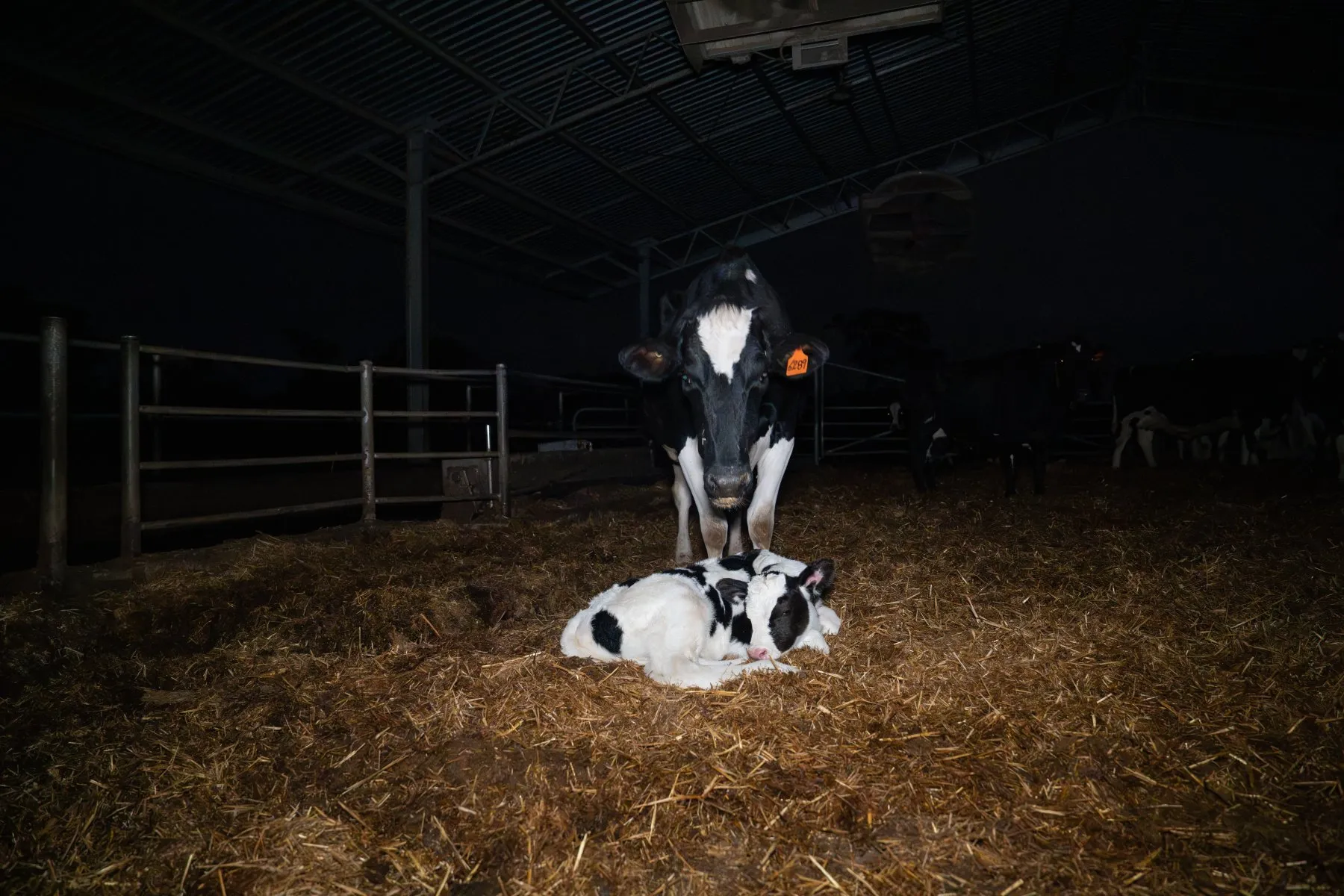
A motherhood story defined by the routine separation of calves from their mothers, often within hours of birth – a common practice in Australia’s dairy industry.
Motherhood: a bond we all know
Motherhood is something many of us instinctively understand, whether we’ve experienced it ourselves or witnessed it in someone close to us. It’s grounded in bonding, nurturing and protection. The quiet, everyday acts of care.
But the connection between mother and baby isn’t unique to humans. Across species, we see similar behaviours: mothers staying close, responding to their young, feeding them and keeping them safe. It’s a relationship that runs deep – one most of us recognise, in some form – through a shared understanding of what it means to care for and be cared for.
That’s what makes the reality within the dairy industry so confronting. Calves are often separated from their mothers within hours of birth and the milk produced for them is redirected for human consumption. Milk and colostrum that’s essential to their early health and survival – with many calves not surviving due to the separation.
Milk is also a key part of early connection – offering comfort and closeness – without it, the bond we so readily recognise is cut short.
A short, and far from sweet, motherhood story
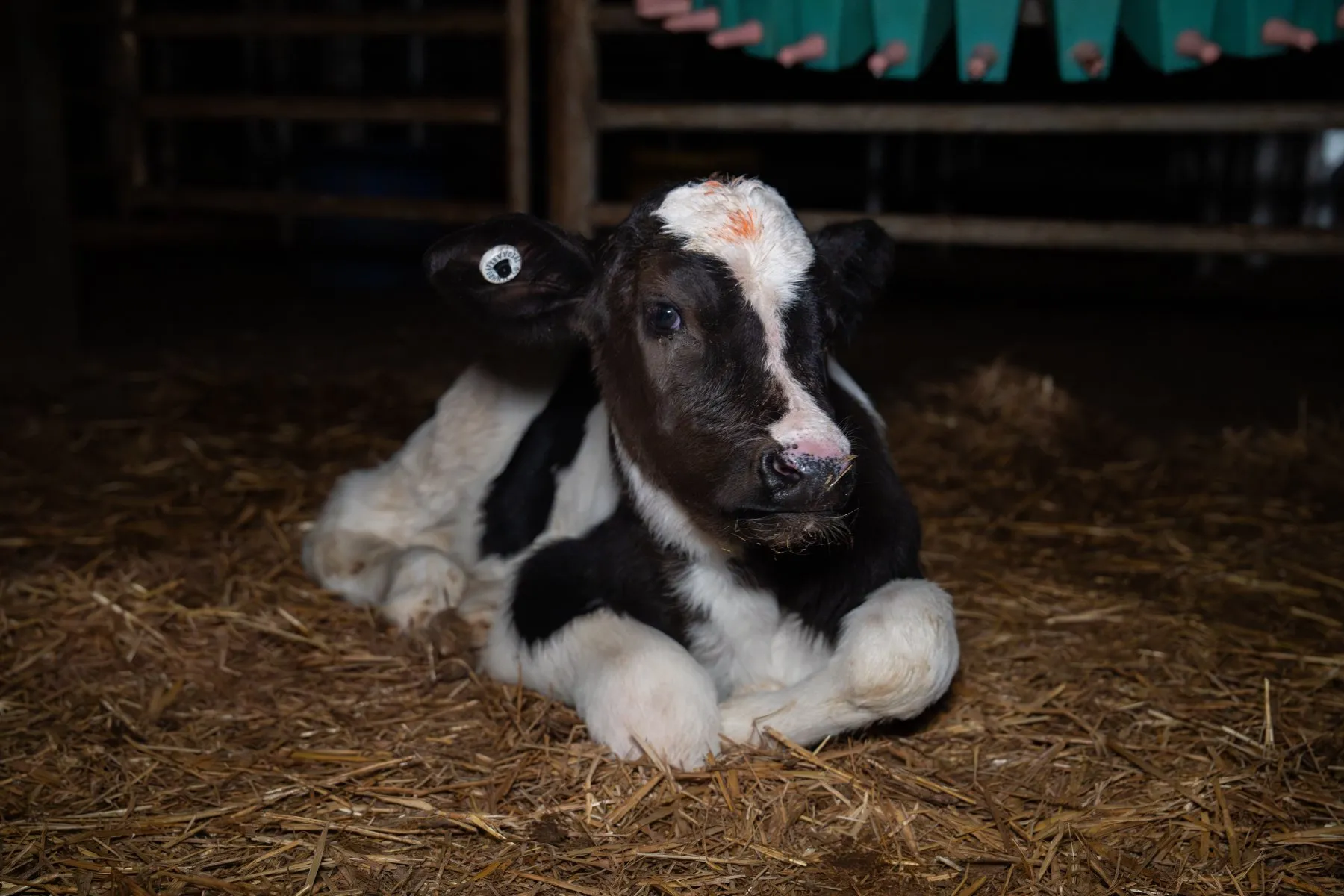
The babies separated from their mothers are commonly referred to as “bobby calves” – often taken within a matter of hours or days, deemed as surplus or “of no use” from the very beginning.
As humans, some of us might tell ourselves that animal relationships are different — that they don’t feel or respond in the same way we do. But just because a system doesn’t allow a bond to continue, doesn’t mean it isn’t there.
On farms, mothers can show visible signs of distress: attempting to hide their calves, chasing after them as they’re taken away, and calling out for days, sometimes weeks, afterwards.
Why is it this way?
The simple (and ugly) truth: babies are ruthlessly taken to benefit human taste, driven by demand, convenience and efficiency.
Dairy production relies on cows giving birth to produce milk for human consumption. So begins a process of repeated impregnation and separation, year after year. Cows are drained to the last drop.
Selective breeding has pushed milk production far beyond natural levels. A cow that hasn’t been selectively bred will typically produce around 3-4 litres of milk per day for her calf. In contrast, a modern dairy cow can produce between 20-55 litres daily, with some breeds, such as Holsteins, producing up to 60 litres.
This level of production comes at a physical cost. It far exceeds what their bodies would naturally produce, placing significant strain on their health and mobility. They also face increased risk of mastitis – inflammation of the udder causing significant pain and welfare issues.
What happens to their babies?
Male calves (and sometimes excess female calves) are often deemed “waste” or “of no use” because they cannot grow up to produce milk for human consumption. In Australia alone, around 300,000 male calves are destined for slaughter or killed shortly after birth.
While female calves hold the ability to produce milk, they’re not spared from early separation. In many cases, they’re still taken from their mothers within hours of birth. While their lives may be longer, they’re often drawn into the same cycle as their mothers — repeated pregnancies and being stripped from their own calves, all to meet the demands of the dairy industry.
This is a motherhood story where the same pattern of birth, separation, loss and production is carried on, again and again and again.
This Mother’s Day…
We’re calling on Australians to take a small but meaningful step to a kinder world for mother cows and their calves. While you celebrate love and nurturing with those around you, hold a thought for the mothers that never get that chance.
At ‘Til The Cows Come Home, we rescue unwanted, unviable, “waste’’ farmed animals, rehabilitate them in short term foster care and rehome them into safe, forever-loving homes as companions.
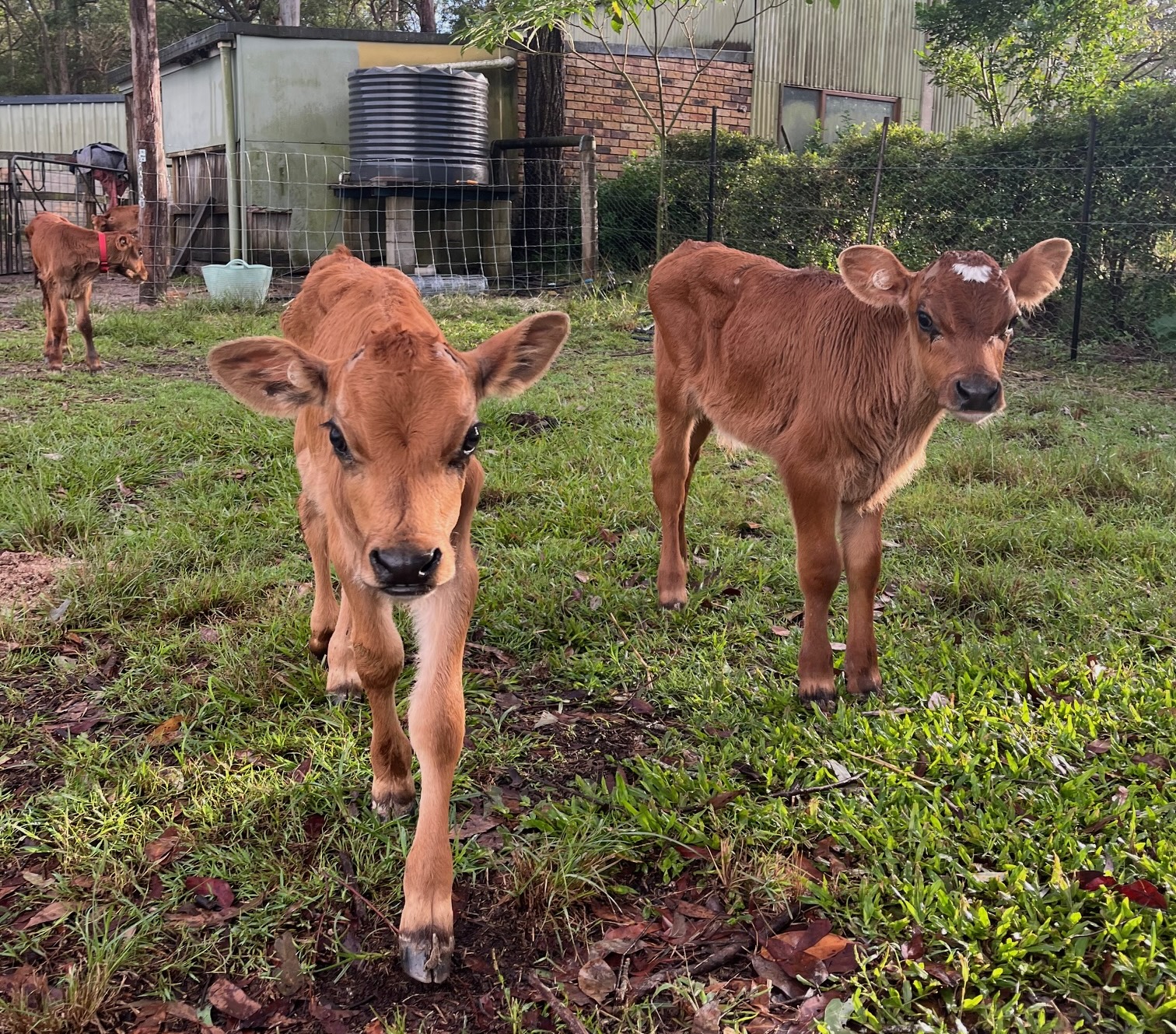
Every adoption or donation contributes to a different, more compassionate, motherhood story – one where care, closeness and connection aren’t cut short. A chance for motherhood to unfold in the way we instinctively understand it.
In the lead up to May 10, donate on behalf of your mum or someone who’s nurtured you.
